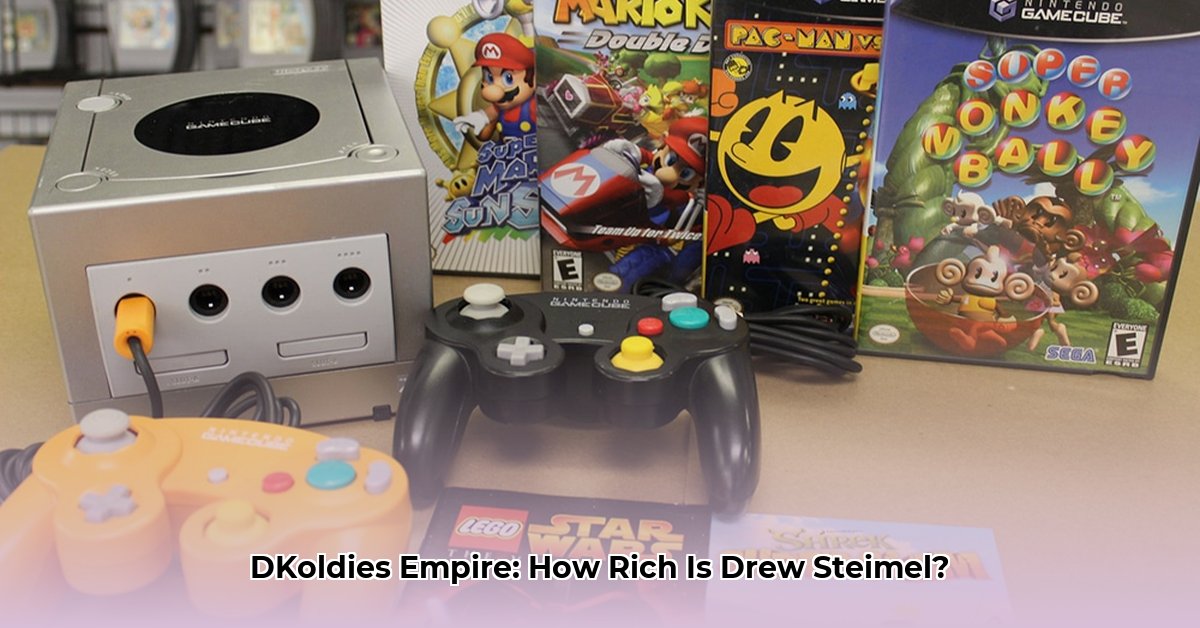
Drew Steimel Net Worth: Unpacking the DKoldies Story
Drew Steimel’s DKoldies isn't just another online retailer; it's a captivating narrative of entrepreneurial success, controversy, and the enduring allure of retro gaming. This article delves into the story of how a passion for classic video games potentially translated into significant wealth, while also acknowledging the complexities and challenges faced along the way. We'll explore the business model, the financial estimations (without definitively stating a precise net worth), and the controversies that have shaped DKoldies' trajectory.
From eBay to Empire: DKoldies' Meteoric Rise
DKoldies' origins are humble. Drew Steimel began selling vintage games on eBay, but he possessed a vision beyond simple reselling. He recognized a market yearning for meticulously restored classic games—a niche he was uniquely positioned to dominate. DKoldies wasn't merely about selling; it was about curating a collection of nostalgic treasures. The company's explosive growth, reportedly exceeding $15-20 million in annual revenue by 2020, underscores Steimel's business acumen and the enduring appeal of retro gaming. This rapid expansion naturally fuels speculation about Drew Steimel's personal wealth. But how much is he really worth? Let's delve deeper.
Isn't it fascinating how a passion project can blossom into a multi-million dollar enterprise? This rapid growth begs the question: What key strategies propelled DKoldies to such heights?
The DKoldies Formula: A Multifaceted Approach to Success
DKoldies’ success wasn't accidental. Several key factors contributed to its remarkable trajectory. The company invests heavily in restoring games to near-mint condition. This meticulous process, while costly, justifies its premium pricing. They're not just selling games; they're selling a piece of gaming history, carefully preserved and presented. Steimel also strategically cultivated a thriving online presence. He didn't merely list products; he actively engaged with the retro gaming community, attending conventions and leveraging social media to foster brand loyalty and expand his reach. This engagement transcends marketing; it's about building a community around a shared passion. Finally, DKoldies demonstrates a keen understanding of the collector's market. They understand the emotional connection collectors have with their games, and that the value goes beyond the object itself.
Navigating the Headwinds: Challenges and Criticisms
Despite remarkable revenue, DKoldies has faced criticism. Pricing, in particular, is a point of contention. Numerous customers have reported prices significantly higher—sometimes exceeding competitors’ by 10-50%—than competitors. While the quality of the refurbished games may justify higher prices for some, this markup hasn't universally resonated. This significant price disparity raises a crucial question: Does the perceived value justify the cost, or is it too much for the average consumer?
Customer service has also drawn criticism. While some customers praise the quality of products and personalized attention, others cite negative experiences with delays in refunds or a lack of responsiveness. This inconsistency presents a challenge for a company striving for excellence. Furthermore, allegations of overgrading—intentionally misrepresenting game condition to inflate prices—have surfaced. While unverified, these claims raise serious concerns about the company's ethical practices and potential legal ramifications. These issues, whether founded or not, underscore the significant risks associated with rapid growth and the importance of maintaining transparency.
Estimating Drew Steimel's Net Worth: A Complex Calculation
Precisely determining Drew Steimel's net worth is impossible without access to DKoldies' private financial records. As a privately held company, DKoldies isn't obligated to disclose its financial details publicly. Given DKoldies' reported revenue, however, it's reasonable to infer that Steimel has amassed substantial personal wealth. However, it's crucial to acknowledge that the controversies surrounding the company—especially the pricing and alleged overgrading—significantly impact any attempt to estimate his net worth. Any serious evaluation must consider these potential liabilities.
The Future of DKoldies: Charting a Course for Continued Success
DKoldies stands at a crucial juncture. Its strong foundation is undeniable, yet its future hinges on addressing significant challenges. Improving customer service and directly addressing the overgrading allegations are essential to rebuilding trust and maintaining a positive reputation. A reassessment of its pricing strategy, potentially incorporating greater transparency, could also prove beneficial. However, opportunities also exist. Expanding into related merchandise or exploring subscription services could boost revenue and stability. International expansion presents another avenue for growth. The path forward requires careful consideration of both its strengths and vulnerabilities.
Actionable Insights for DKoldies and Stakeholders
- DKoldies: Improve customer service, conduct an internal review of grading practices, and re-evaluate pricing strategies. The long-term goal includes implementing robust quality control, diversifying product offerings, investing in customer loyalty programs, and exploring international markets.
- Investors: Conduct thorough financial reviews, demand increased transparency, and carefully assess risk factors associated with the business. Long-term strategy should focus on mitigating reputational damage and ensuring ethical business practices are prioritized.
- Customers: Expect responsive and fair customer service, accurate product grading, and competitive pricing. Thoroughly research before purchasing and utilize independent verification of game condition when possible.
- Competitors: Continuously monitor DKoldies’ market activity, refine their own pricing and customer service strategies, and develop niche strengths to stand out in the market. Consider how to capitalize on DKoldies' shortcomings.
A Story Still Unfolding
The story of Drew Steimel and DKoldies is far from finished. It's a dynamic narrative of entrepreneurial success balanced by significant challenges. The company's future trajectory will depend on its ability to learn from past experiences, adapt to changes in the marketplace, and cultivate a reputation built on integrity and customer satisfaction. Whether DKoldies continues its impressive growth or encounters headwinds remains to be seen; time will reveal the next chapter of this intricate and captivating story.
How to Avoid Overgrading Accusations in Retro Game Selling
The rapid success of Drew Steimel’s DKoldies wasn't without its controversies. Accusations of overgrading—a serious issue in the high-stakes world of retro game collecting—highlight the importance of ethical practices and transparency in this market. This section offers valuable insights into avoiding such pitfalls.
Understanding the Dangers of Overgrading
Overgrading involves inflating a game's condition grade beyond its actual state, thereby potentially inflating its price. This deception erodes trust and can have serious consequences for sellers. Buyers are often unfamiliar with the intricacies of grading scales, making them vulnerable to unscrupulous practices. Even reputable businesses, like DKoldies, can face significant repercussions from such accusations.
Best Practices for Ethical Sales
To avoid overgrading accusations, prioritize transparency and accuracy:
- Honest Self-Assessment: Before listing, thoroughly examine the game using established grading standards (e.g., WATA, VGA). Be frank about imperfections.
- High-Quality Photography: Use multiple, well-lit photos showcasing all aspects of the game. Detail is crucial; showcase scratches, creases, and discoloration.
- Detailed Descriptions: Avoid ambiguity. Specifically address imperfections using clear, concise language that aligns with the official grading scale.
- Conservative Grading: When in doubt, err on the side of caution and choose a lower grade. Underpromise and overdeliver.
- Full Transparency: Clearly state any known issues or repairs. Open communication fosters trust and safeguards against accusations.
Lessons from the DKoldies Experience
DKoldies' rapid growth likely contributed to the overgrading accusations. Scaling quickly can strain quality control. Maintaining consistent standards, even during periods of expansion, is crucial. A strong reputation is far more valuable than quick profits. The experience underscores the importance of prioritizing ethical practices over rapid growth.
Key Takeaways:
- Accurate Grading: Employ established grading standards and honestly assess game condition.
- Thorough Documentation: Provide comprehensive descriptions and high-quality photos.
- Conservative Approach: When uncertain, choose a lower grade. Transparency is key.
- Reputation Management: Prioritize building and maintaining a strong reputation for integrity.